
Driving in Morocco with a Rental Car: A Practical Guide
Documents, road types, basic rules, a table of common situations, a message for the agency and a pre-departure checklist.
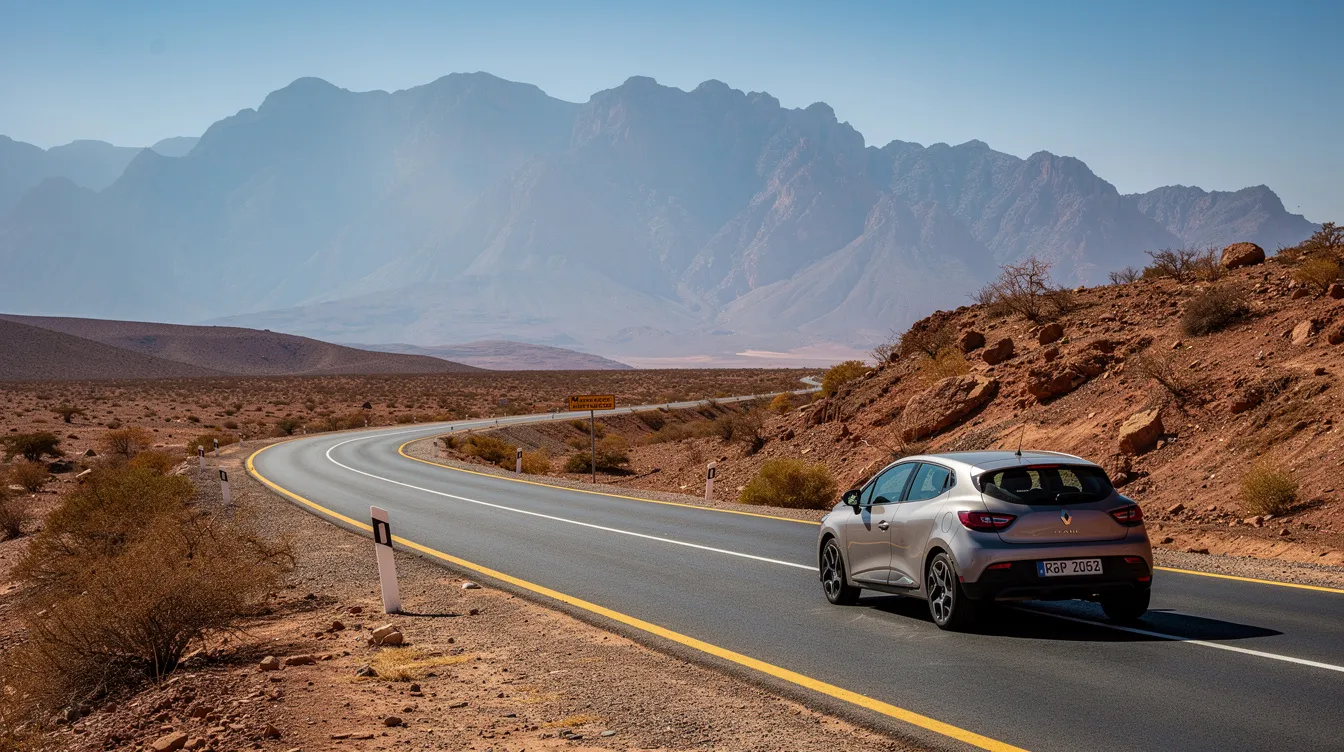
Driving in Morocco with a rental car gives you the freedom to combine cities, the Atlantic coast, Atlas mountain passes and routes to the south at your own pace. This guide gathers practical tips for driving in Morocco safely, written for renters: tourists, Moroccans living abroad coming home, local customers and business travellers. You will find what to prepare, what Moroccan roads are like in practice, what to ask the agency and what to do if something goes wrong. No invented figures: whenever a rule or an amount matters, we tell you where to confirm it.
Morocco has toll motorways, national roads, secondary roads and unpaved tracks. The experience changes a lot depending on the area, the time of day and the season. Below you will find a pre-departure checklist, a table of common situations and a copyable message to send to the agency before you set off.
RentalMe is a marketplace that connects renters with professional rental agencies in Morocco. RentalMe does not own the vehicles: each agency sets its own conditions, and only its written offer and the rental contract are binding. If you are planning a whole trip, start with the car rental checklist for a Morocco road trip in 2027.
Documents and driving licence for driving in Morocco
The exact requirements depend on the agency and on your personal situation, so confirm them in writing before you book. At a minimum, prepare:
- A valid driving licence. Ask the agency whether it accepts your licence as it is or requires an international driving permit or a translation. For the current rule, check up-to-date official sources before you travel.
- A passport or an ID document accepted by the agency. Bring a copy too.
- A payment method for the deposit. Each agency decides whether it accepts a credit card, a debit card or another method, and sets the amount. Ask for it in writing.
- The rental contract, vehicle documents and proof of insurance, which the agency hands over at pickup.
Minimum age and how long you must have held your licence are also set by each agency. You will find more detail in the guide to documents needed to rent a car in Morocco.
Renting a car in Morocco: choosing the right car for your route
Renting a car in Morocco lets you reach places that public transport serves less well, set your own schedule and decide on the go between coast, mountains or desert. The car you need depends on the route:
- City and motorway: a compact car is easier to drive and to park.
- Mountains: consider an SUV or a car with good ground clearance and ask the agency to confirm the condition of the tyres.
- Tracks or remote areas: ask whether the agency allows driving off tarmac and whether it offers a 4x4. Many agencies restrict or exclude off-road driving.
- Family or lots of luggage: ask for an estate car or a people carrier and confirm the real number of seats and bags.
If you want an automatic gearbox, request it explicitly: do not take it for granted.
What to ask the agency before you drive off
Each agency sets its own conditions, so do not generalise. Before you set off, clarify in writing anything that could cause a misunderstanding on the road. This table sums up the most common situations:
| Situation | What you do | What to ask the agency before leaving |
|---|---|---|
| Driving at night in rural areas | Plan the route to arrive before dark | Are there any restrictions or special conditions for night driving? |
| Crossing mountain passes (Atlas) | Check road conditions and the weather before leaving | Is the car suitable for mountains at that time of year? Is winter equipment available? |
| Arriving at a medina | Do not try to drive in; look for a nearby car park | Where do you recommend parking near my accommodation? |
| Police checkpoints | Keep all documents to hand and stay calm | Which vehicle documents must always be in the car? |
| Breakdown or flat tyre | Signal, get to a safe place and call assistance | Is there roadside assistance? What hours and which phone number? |
| Damage to windows, underbody or tyres | Photograph everything and inform the agency | Does the insurance cover windows, underbody and tyres? What excess applies? |
| One-way rental: picking up in one city and returning in another | Confirm it before booking | Does the agency allow it? Is there an extra charge? In which cities? |
| Driving on unpaved tracks | Assess whether the car is suitable | Is it allowed? Does the insurance cover damage on tracks? |
Ask for the answers by email or have them written into the contract, and save the agency's assistance number and its hours.
Copyable message to send to the rental agency
Copy and adapt this text to send by email or WhatsApp before your trip. Change the fields in brackets:
Hello, I am going to rent a car in Morocco from [start date] to [end date], picking up in [city/airport] and returning in [city/airport]. I plan to drive the route [cities or areas]. Before I confirm, could you tell me in writing: 1) which areas I may drive in and whether driving on unpaved tracks is allowed; 2) what to do in case of a breakdown or accident, and the assistance phone number with its hours; 3) which documents must always be in the car in case of a checkpoint; 4) exactly what the insurance covers and which excess applies; 5) the fuel policy; 6) whether returning the car in another city is possible and on what conditions? Thank you.
Pre-departure checklist: a quick check of the car
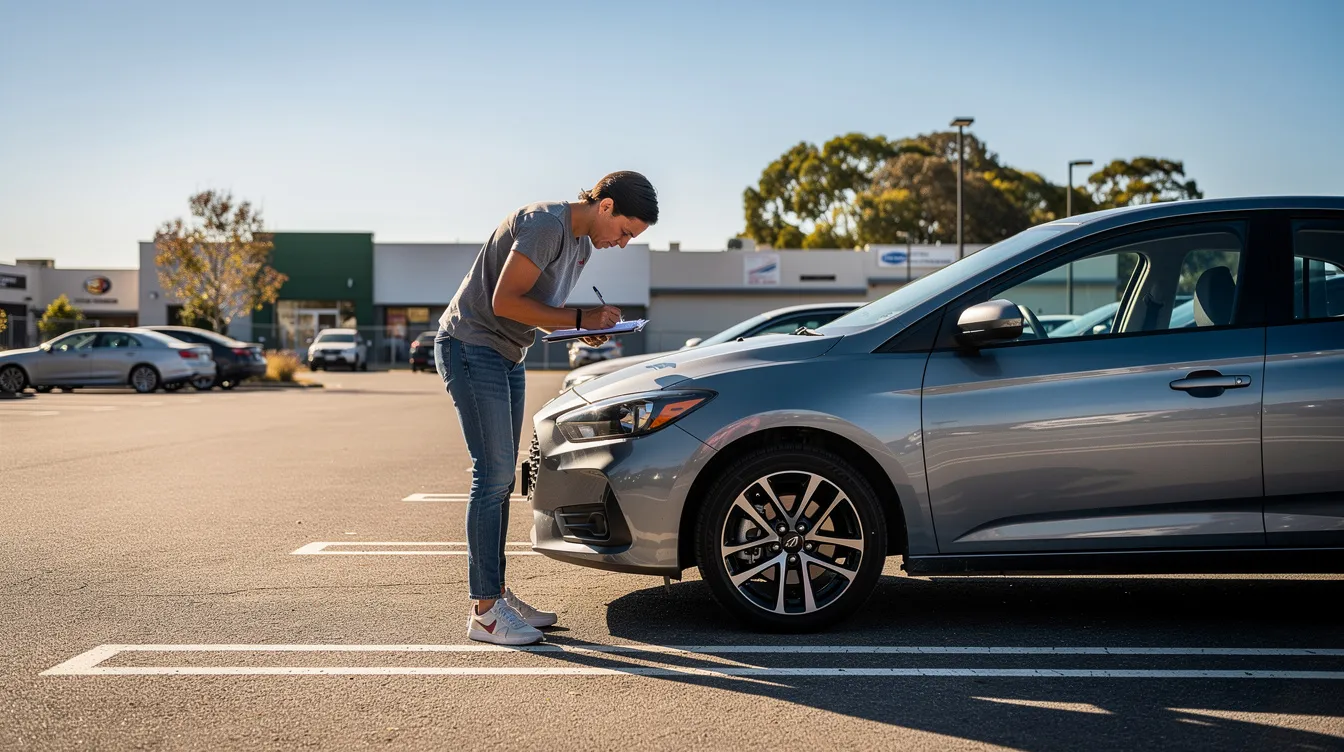
Before you leave the agency office or the airport, spend a few minutes on this check:
- The number plate matches the one on the contract
- Exterior checked and photographed: scratches, dents, windows, tyres (including the sidewalls)
- Lights, indicators and wipers work
- Air conditioning works
- Seat belts in good condition; always wear them, front and back
- Fuel level checked and noted on the contract
- Spare wheel or puncture kit, jack and any safety equipment provided by the agency
- Offline maps downloaded on your phone (for example in Google Maps or another GPS app): coverage can drop in remote areas
- Phone charger and holder
- Contract, licence, passport and agency phone number to hand
To do the inspection properly and avoid disputes at return, also follow the rental car inspection checklist.
Traffic rules, road signs and speed limits
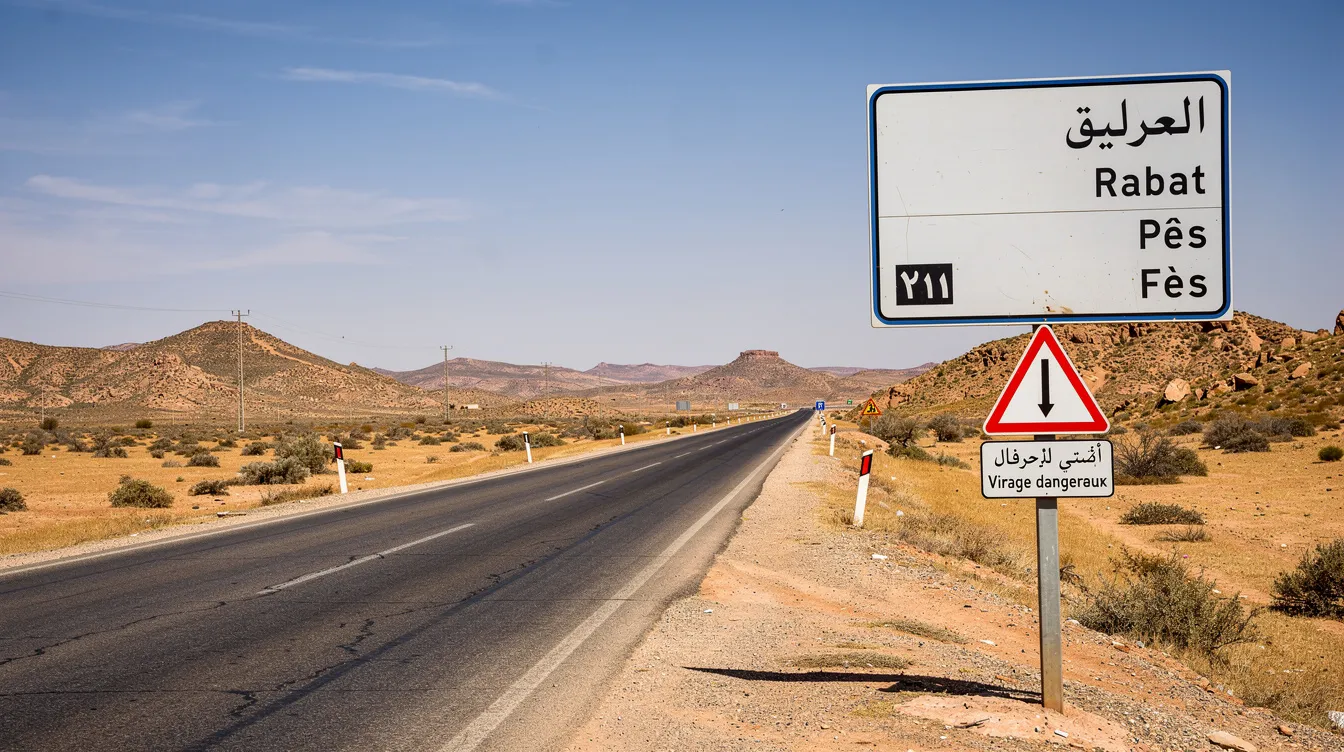
In Morocco you drive on the right. Road signs are usually in Arabic and often in French as well; in rural areas they can be sparse, so have your route ready.
On speed limits, alcohol limits and penalties, the rule is simple: always follow the road signs and check the current regulations in official sources before you travel. This guide deliberately gives no figures, because they can change. Police checkpoints and speed cameras are a normal part of driving in the country, especially at the entrances and exits of towns, so respect the posted speed limits at all times.
In big cities traffic can be dense and you will share the road with pedestrians, motorbikes, bicycles and sometimes carts or animals. At roundabouts and when changing lanes, drive with anticipation and constant attention. On national and secondary roads you may meet animals, slow vehicles or roadworks. Whenever you can, avoid driving at night outside towns: lighting is limited and obstacles appear late.
Tolls, fuel and stops along the way
Morocco's motorways are toll roads, often the most comfortable option for long journeys, linking major cities such as Casablanca, Rabat, Tangier, Fes, Marrakech and Agadir. How tolls are paid with a rental car (at the barrier, with an agency device or included in the price) depends on each agency; read the guide to toll roads in Morocco and check the accepted payment methods before you leave.
Away from the motorways, many routes use national and secondary roads of varying quality, sometimes with roadworks. In the south and in rural areas, fuel stations can be further apart: fill up before long stretches or before entering desert areas. The rental fuel policy (full-to-full or another) is set by each agency.
Tips for stops:
- Use the service areas on motorways.
- On national roads, take breaks in villages or cafés, not on stretches without a hard shoulder.
- Plan your journeys so you never run low on fuel or have to drive at night.
Parking in cities and towns
In the medinas of Fes, Marrakech or Tangier, streets are narrow and car access is often restricted. Look for a nearby guarded car park or accommodation with a parking space. In many towns you will see parking attendants in vests who watch over cars in exchange for a tip; agree the amount beforehand and leave nothing on display. Park only where it is allowed and do not block access to homes, souks or mosques. You will find more examples in the guide to parking a rental car in Morocco.
What to carry in the car and how to handle the unexpected
For long journeys, bring:
- Water and some non-perishable food
- Sunscreen, sunglasses and a cap
- Phone charger and holder
- Digital and paper copies of the contract, licence and passport
- A small torch
If you break down: stop in a safe place, signal the vehicle, contact the agency's assistance and take photos. Do not carry out repairs without the agency's approval. More steps in the guide to a rental car breakdown or accident.
If you have an accident: your safety comes first. Take photos, ask for the appropriate report and inform the agency as soon as possible. Before you leave, compare in writing what each insurance option covers and which excess applies.
If you get a fine: always ask for an official receipt and inform the agency. How fines are handled with a rental car is explained in the article on traffic fines with a rental car in Morocco.
Note down the local emergency numbers and confirm them with the agency before you leave.
FAQ about driving in Morocco with a rental car
Is it safe to drive in Morocco with a rental car?
Many travellers do it without problems, especially during the day and on motorways and national roads. More caution is needed in the mountains, in remote areas and at night. Plan your route to avoid driving at night outside towns.
Do I need an international driving permit?
It depends on your licence and on the agency. Check the current rules in official sources and ask the agency to confirm in writing which documents it accepts. Always carry your original licence.
Can I pick up the car in one city and return it in another?
Some agencies allow it and may apply a charge. Confirm the conditions and possible cities before booking.
What should I do if the police stop me?
Keep your documents to hand (licence, passport, contract and vehicle papers), stay calm and follow instructions. Ask the agency beforehand which documents must always be in the car.
Can I drive on tracks or in the desert with a regular car?
It depends on the agency and the insurance. Many restrict driving off tarmac. For tracks or dunes, ask about a 4x4 and confirm in writing that the insurance covers it.
Is it worth driving inside the big cities?
It is possible, but traffic can be dense. It is often more comfortable to use the car between cities and get around historic centres on foot or by taxi.
Prepare your trip with RentalMe
RentalMe is preparing its launch as a marketplace connecting renters with professional rental agencies in Morocco. To find out when you can compare offers, join the customer waitlist. In the meantime, use the driving tips, the message and the checklist in this guide with every agency you contact, and go back to the Morocco road trip 2027 checklist to plan the rest of your trip.